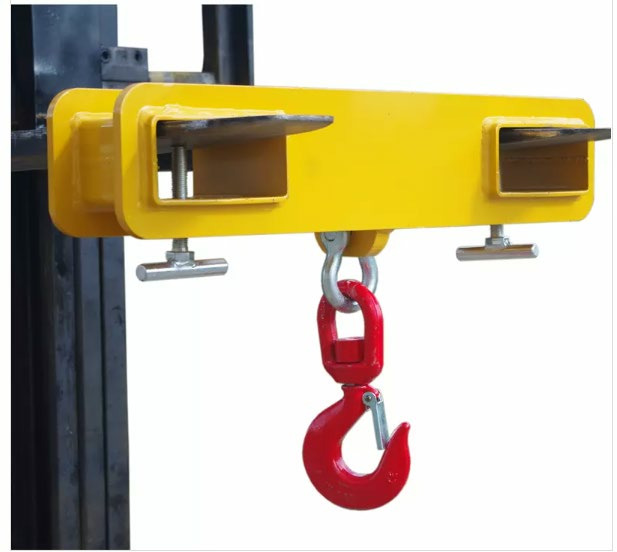

Forklifts are one of the most active machines within a warehouse, factory, or construction site. However, it’s standard forks may not be able to handle every task. Each purchase of a dedicated machine per operation can escalate the equipment investment very quickly.
Which is where forklift attachments get handy. One of the best reasons to use attachments is that they can increase the versatility of a single forklift, allowing companies to manage varying loads without having to expand their entire fleet.
One Machine, More Capabilities
How you handle each load varies. While standard forks do facilitate the movement of pallets, drums, rolls, bins, and odd loads can necessitate extra support.
By utilising attachments, a forklift can perform more specialised tasks all in the same base machine. Depending on the workplace, options range from clamps, and rotating attachments to fork positioners, drum handlers, and specialised lifting equipment.
This is essential flexibility for businesses that process multiple material types per day.
What Can You Do with Fork Extensions?
Some loads extend beyond the length of a conventional fork. But even the safest buggies are senseless if the forks that take them too short can cause an imbalance in the lading.
Forklift extensions offer a means of extending fork length for appropriate applications. They are placed over the forks that already exist and can assist with supporting longer loads within a rated capacity as identified by the manufacturer.
They do not work for all load scenarios. The attachment should be properly sized and appropriately secured prior to operating.
Improve Workflow Flexibility
Workplace labels can also change attachments that help it respond to other jobs in a day.
During the morning, a forklift may carry pallets and later carry a different load. This can minimise the transfer of materials between machines or work areas.
However, you should never rush attachment changes. Operators need to understand how each attachment affects forklift capacity, load centre, and handling characteristics.
Check Capacity Before Every Job
It is important to note that adding a load will NOT impact the lift capability of a fork lift. When load centre is moved whilst also lifting, it may sometimes reduce the safe capacity very significantly or add weight.
Operators must examine the forklift data plate, attachment spec, and work site guidelines prior to lifting.
Important checks include:
- Rated capacity
- Load centre
- Attachment weight
- Load stability
- Correct attachment fit
- Manufacturer requirements
Such diagnostics prevent overload and inadvertent load movement.
Select Attachments for Actual Work
There is no one attachment fits all for every forklift or application. It depends on the type, size, and weight of the loads to be handled as to which is best.
For infrequent over-sized loads, fork extensions might make sense as long as the load and equipment are compatible. A separate attachment would give better control and efficiency for regular specialist handling.
Operators must also be properly trained on the equipment that they will use.
Maximise Your Investment with Your Current Forklift
It is instrumental in leveraging your usage of attachments. A multi-purpose forklift can assist with various tasks in the workplace without the need for many different specialised pieces of equipment.
Appropriate forklift attachments also allow businesses to adapt material-handling equipment for fluctuating workloads while eliminating or at least significantly curtailing unwarranted capital outlay.
Evaluate your use cases before purchasing: check the compatibility beforehand and look at overall operating expenses. When used properly, forklift attachments will greatly increase the versatility of a single forklift on a busy site.
Its aim is not just to get a forklift to do more. That means ensuring it completes each task safely, efficiently, and in accordance with its limitations.