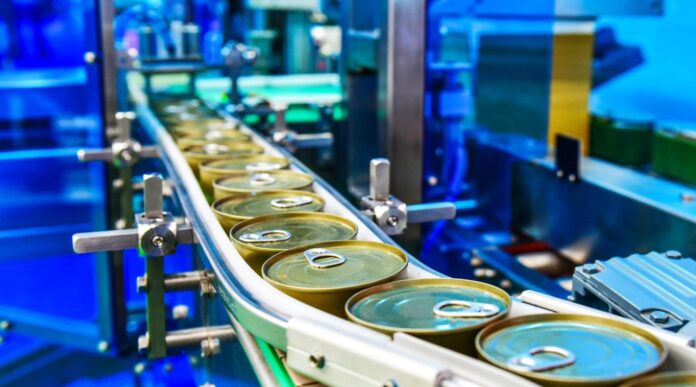

The packaging machinery market is experiencing accelerated transformation as pharmaceutical and healthcare manufacturers respond to rising global demand, tighter regulatory oversight, and increasing expectations for efficiency and reliability. In 2025, packaging equipment is no longer evaluated as a standalone asset. Instead, it is assessed as a strategic enabler of compliance, scalability, and long-term operational value. This shift is redefining how manufacturers select machinery suppliers and how equipment is designed, integrated, and deployed across production lines.
Why Is Global Demand Rising for Advanced Packaging Machinery Solutions?
Global pharmaceutical and healthcare expansion is placing unprecedented pressure on manufacturing and packaging operations. As production volumes grow, manufacturers require machinery that delivers consistent quality while meeting stringent regulatory requirements. In 2025, demand growth is being driven by the need for high-precision, reliable, and scalable packaging machinery that can support solid dosage production and secondary packaging without compromising compliance or efficiency. International buyers are prioritizing suppliers capable of delivering integrated systems rather than isolated machines.
How Is Automation Reshaping the Packaging Machinery Market Landscape?
Automation has transitioned from an optional upgrade to a core requirement in packaging machinery. Digital control systems, modular design, and automated workflows now define competitive equipment offerings. Manufacturers are increasingly seeking end-to-end automated lines that connect capsule filling, blister packaging, and cartoning into a unified system. This reduces manual intervention, minimizes errors, and supports consistent output under regulatory scrutiny such as Good Manufacturing Practice and United States Food and Drug Administration standards.
Why Is Lifecycle Reliability Now a Key Buying Factor in Packaging Machinery?
In 2025, purchasing decisions are increasingly influenced by long-term operational value rather than upfront cost. Pharmaceutical manufacturers are closely evaluating downtime risks, maintenance complexity, and equipment adaptability. Packaging machinery suppliers that demonstrate proven performance, flexible configuration options, and dependable technical support are gaining traction in international markets. Buyers are prioritizing machinery that maintains stable operation across different product formats and production scales.
What Role Does Blister Packaging Play in Market Growth?
Blister packaging remains one of the most widely adopted formats in pharmaceutical packaging due to its protective properties, patient convenience, and compliance benefits. Modern blister packing machines are designed to process materials such as PVC, PVDC, and aluminum-aluminum structures with precision forming, sealing, and cutting. These capabilities support product integrity while enabling efficient mass production.
How Is Secondary Packaging Influencing Equipment Selection?
Secondary packaging has become a strategic component of pharmaceutical operations, extending beyond logistics to include traceability, regulatory compliance, and retail presentation. Cartoning machinery is increasingly expected to integrate seamlessly with upstream blister or bottle packaging systems. Features such as automated leaflet insertion, barcode verification, and stable carton sealing help manufacturers improve efficiency while reducing manual handling.
Why Are Integrated Packaging Machinery Solutions Gaining Preference?
Pharmaceutical manufacturers operating under strict timelines and regulatory oversight prefer suppliers that offer cohesive equipment ecosystems rather than fragmented solutions. Providing capsule filling, blister packing, and cartoning machinery within a unified system simplifies procurement, installation, validation, and after-sales service. This integrated approach reduces coordination challenges and improves overall production stability.
How Is Customization Becoming a Competitive Advantage in the Packaging Machinery Market?
Pharmaceutical products vary significantly in formulation, dosage, and packaging requirements. Machinery that can be customized without excessive cost or lead time offers a clear market advantage. Manufacturers capable of adapting machine configurations, tooling, and control systems are better positioned to serve both established pharmaceutical companies and emerging biotechnology firms.
Next Steps: Strategic Actions for Industry Stakeholders
- Prioritize Lifecycle Performance Over Initial Capital Cost: Decision-makers should evaluate packaging machinery based on long-term reliability, maintenance requirements, and operational stability rather than upfront pricing alone.
- Select Suppliers Offering Integrated Production Line Solutions: Manufacturers should work with suppliers capable of delivering cohesive systems that connect capsule filling, blister packaging, and cartoning processes.
- Assess Automation and Digital Control Capabilities Early: Before procurement, stakeholders should review the level of automation, digital monitoring, and control system flexibility offered by packaging machinery.
- Plan for Customization to Support Product and Market Expansion: Organizations should choose machinery that allows configuration changes for different product formats, materials, and production volumes.
- Incorporate Sustainability Metrics into Equipment Evaluation: Energy efficiency, material optimization, and waste reduction should be included as formal evaluation criteria during machinery selection. Packaging systems that reduce rejection rates and optimize material usage support environmental goals while improving long-term operational efficiency.
Conclusion
The packaging machinery market in 2025 is being reshaped by rising pharmaceutical production demands, stricter regulatory expectations, and a growing emphasis on operational reliability. As manufacturers move beyond evaluating individual machines, the focus has shifted toward integrated, automated, and scalable packaging solutions that support consistent quality and long-term performance. Automation, lifecycle reliability, and system compatibility have emerged as decisive factors influencing purchasing decisions. At the same time, the ability to customize equipment and support sustainability objectives is strengthening the competitive position of machinery suppliers in global markets. These developments reflect a broader industry transition toward value-driven partnerships rather than transactional equipment sourcing.
About the Author
Tania Dey is a content writer and SEO executive specializing in transformation-focused and insight-driven narratives. She develops compelling, research-backed content aligned with evolving business priorities, digital behavior, and audience expectations. Her work supports organizations in articulating clear value propositions, strengthening visibility, and communicating strategic intent effectively. Passionate about storytelling grounded in data, she emphasizes clarity, relevance, consistency, and measurable digital impact across platforms. She can be reached at: info@nextmsc.com