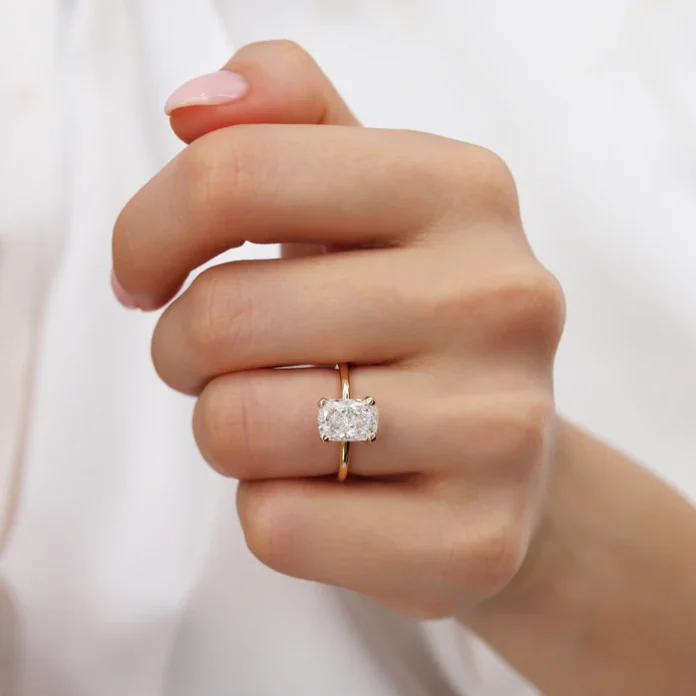

In recent years, there has been a significant shift in how consumers approach the purchase of engagement rings, with ethical considerations becoming a top priority. This trend continues to grow in 2025, as more people seek out jewelry that aligns with their values, focusing on sustainability, fair trade practices, and environmental responsibility. A leading figure in this movement is Lily Arkwright, whose designs and commitment to ethical sourcing have helped bring attention to the importance of transparency and integrity in the engagement ring industry.
The rise of ethical engagement rings is not just a fleeting trend but reflects a deeper cultural shift toward conscious consumerism. Today’s couples want their symbols of love to reflect not only beauty and craftsmanship but also the ethics behind their creation. This includes the origins of the gemstones and metals, the working conditions of those who craft the pieces, and the overall environmental impact of the jewelry’s production.
One of the key factors driving this movement is increased awareness about the negative effects associated with traditional diamond mining. Many consumers have become aware of issues such as conflict diamonds, exploitation of labor, and environmental degradation. As a result, the demand for alternatives like lab-grown diamonds, recycled metals, and ethically sourced gemstones has soared. These options offer the same brilliance and beauty as traditional diamonds but with a much smaller environmental footprint and a clear ethical background.
Designers like Lily Arkwright have been pivotal in shaping the market by offering exquisite rings that adhere to strict ethical standards. Their collections often feature lab-grown stones or responsibly mined gems combined with recycled precious metals, ensuring every ring tells a story of sustainability. This approach not only appeals to environmentally conscious buyers but also sets a new standard for the entire industry, encouraging other jewelers to follow suit.
In addition to sustainable sourcing, ethical engagement rings in 2025 often emphasize craftsmanship and durability. Couples are increasingly looking for pieces that will last generations, reducing the desire for fast fashion or disposable trends. Investing in high-quality, timeless designs means fewer resources are consumed over time, which further supports sustainability goals.
Retailers and brands have also adapted to this growing demand by providing transparency through certifications and detailed supply chain information. Shoppers can now verify that their rings meet rigorous ethical criteria, giving them peace of mind and enhancing the meaningfulness of their purchase. This level of openness fosters trust between buyers and sellers and reflects a broader societal expectation for accountability. For more helpful blog posts like this one, visit the rest of our site, My USA Wire.
Moreover, the rise of social media and digital platforms has empowered consumers to research and share information about ethical jewelry practices. This connectivity has helped educate the public and promote brands committed to ethical standards. Influencers, bloggers, and everyday buyers alike play a role in spreading awareness and encouraging more responsible choices when it comes to engagement rings.
In conclusion, the rise of ethical engagement rings in 2025 represents a meaningful evolution in how people celebrate love and commitment. The increasing preference for transparency, sustainability, and fair labor practices is reshaping the industry, with pioneers like Lily Arkwright leading the way. As this movement grows, it offers a hopeful vision for a future where beautiful symbols of affection also contribute positively to the world.